Scheduled for an electrocardiogram or wondering how your heart rhythm is tested? Discover what an EKG detects, how the quick procedure works, and why it is essential for heart health.
Your heart relies on a precise internal electrical system to regulate its rhythm, signaling the upper and lower chambers to contract and pump blood efficiently throughout your body. When that electrical network experiences disruptions, it can cause symptoms like chest pain, a racing heart, dizziness, or shortness of breath. An electrocardiogram—commonly referred to as an EKG or ECG—is one of the fastest, most effective, and non-invasive diagnostic tests used in modern cardiology to evaluate heart health. At Northwest Houston Heart Center, our experienced cardiovascular specialists use advanced diagnostic technology, such as EKG, to quickly detect underlying cardiac conditions and safeguard your long-term heart health.
What is an EKG and how does it work?
An electrocardiogram is a simple, painless test that records the timing and strength of electrical signals passing through your heart muscle tissue as it beats.
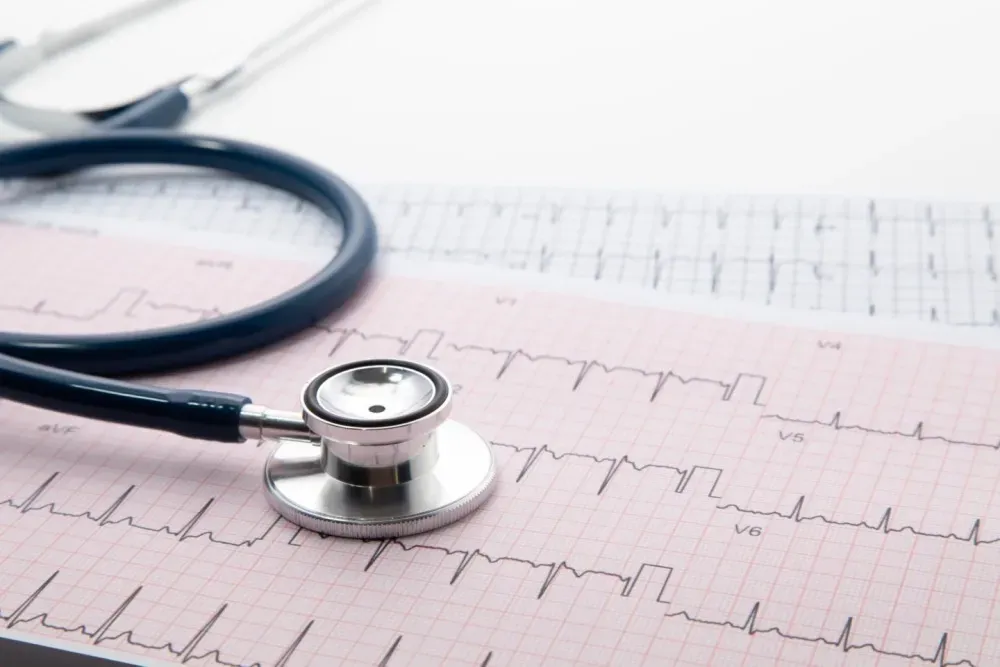
Every heartbeat is triggered by an electrical impulse generated in the heart's natural pacemaker (the sinoatrial node). As this wave passes through the heart, an EKG machine traces the activity on a moving graph, displaying distinct waves:
- P wave: Traces the electrical impulse moving across the upper chambers (atria).
- QRS complex: Represents the electrical wave passing through the larger lower chambers (ventricles).
- T wave: Shows the brief recovery phase as your heart muscle relaxes before the next beat.
Resting and ambulatory electrocardiography remains a foundational primary diagnostic tool, effectively detecting early ischemic changes, silent arrhythmias, and structural remodeling across diverse adult populations.
Key heart conditions detected by an EKG
Because an EKG maps electrical patterns in real time, it provides your cardiologist with crucial diagnostic information regarding how well your heart is functioning.
An EKG helps detect and evaluate several critical cardiac conditions:
- Arrhythmias (Irregular heart rhythms): Identifies abnormally fast (tachycardia), slow (bradycardia), or chaotic rhythms like atrial fibrillation (AFib).
- Prior or active heart attack (Myocardial Infarction): Pinpoints areas of damaged heart muscle or ongoing blood flow restriction caused by blocked coronary arteries.
- Structural abnormalities: Spots signs of enlarged heart muscle (hypertrophy) or thickened chamber walls caused by chronic high blood pressure.
- Electrolyte imbalances and medication effects: Detects subtle shifts in blood potassium or calcium levels and tracks how your heart responds to specific cardiac medications.
What to expect during your EKG test
One of the greatest benefits of an EKG is that it is completely painless, non-invasive, and takes less than 10 minutes to complete in our office.
Here is what you can expect during the procedure:
- Preparation: You will lie comfortably on an exam table. A technician will place 10 small, adhesive sensor patches (electrodes) onto specific locations on your chest, arms, and legs.
- The Recording: The electrodes connect via thin wires to the recording machine. You simply lie still and breathe normally for a few seconds while the machine translates your heart's electrical signals into a visual wave tracing.
- Zero Downtime: Because no electricity passes into your body from the sensors, the test carries no risk of electric shock and requires no recovery period, allowing you to resume normal daily activities immediately.
Take a proactive step for your heart health
Whether you are experiencing unexplained chest discomfort, managing high blood pressure, or due for a routine cardiovascular screening, an EKG provides crucial insights that help keep your heart beating strong.
Are you experiencing heart palpitations or due for a cardiovascular checkup? Visit Northwest Houston Heart Center today or call our office to schedule your comprehensive heart evaluation.